

Essential Land Surveys for Construction: What You Need to Know Before Building Your Home
Building your dream home is an exciting journey. But before you break ground, there’s an important step you can’t skip: getting the right land survey. These surveys help you understand your property’s boundaries, topography, deed research, and any potential issues that could affect your build. Knowing this information upfront saves you time, money, and headaches down the road.
Let’s dive into the essential land surveys you need for construction and how they protect your investment.
Why a Land Survey for Construction is a Must
When you’re planning to build, a land survey for construction is your foundation for success. It’s not just about marking where your property ends. It’s about understanding the land’s features, restrictions, and potential challenges.
Here’s why it matters:
Clear boundaries: Avoid disputes with neighbors by knowing exactly where your property lines are.
Building placement: Ensure your home fits perfectly within zoning rules and setback requirements.
Identify easements and rights-of-way: Know if utilities or others have access to parts of your land.
Topography insights: Understand slopes, drainage, and soil conditions that affect your foundation and landscaping.
Compliance with local regulations: Meet Helena’s city and county codes and avoid costly delays.
Without a proper survey, you risk building on the wrong spot, violating codes, or facing legal battles. A professional survey gives you peace of mind and a clear path forward.

Types of Land Surveys You’ll Need Before Building a Home
Not all surveys are the same. Depending on your project, you might need one or more of these common types:
1. Boundary Survey
This is the most basic and essential survey. It defines the exact property lines and corners. If you want to know where your land starts and ends, this is the survey to get.
2. Topographic Survey
This survey maps the contours, elevations, and natural features of your land. It shows hills, valleys, trees, and water features. This info helps architects and builders design a home that fits the landscape.
3. Construction Survey
Also called a staking survey, this one marks the exact location of your future home and other structures on the land. It ensures your build stays within legal boundaries and meets setback rules.
4. Exempt Survey
If you plan to divide your land into smaller lots, this survey lays out the new boundaries.
Each survey serves a specific purpose. Often, you’ll start with a boundary survey and add others as your project progresses.
What are red flags on a survey?
When reviewing your survey report, watch out for these red flags that could complicate your build:
Boundary disputes: Overlapping or unclear property lines with neighbors.
Easements: Areas where utilities or others have legal access, limiting your use.
Encroachments: Structures or fences that cross property lines.
Flood zones: Areas prone to flooding or protected by environmental laws.
Zoning restrictions: Limits on building height, size, or use.
Unmarked underground utilities: Hidden pipes or cables that could delay construction.
If you spot any of these, address them early with your surveyor, builder, or local authorities. Ignoring red flags can lead to costly delays or legal issues.

How to Choose the Right Surveyor for Your Project
Picking the right professional to conduct your land survey is crucial. Here’s what to look for:
Local expertise: A surveyor familiar with Helena’s regulations and terrain.
Licensing and certification: Ensure they are licensed in Montana and follow industry standards.
Experience with residential construction: They should understand the specific needs of home building.
Technology use: Modern tools like GPS and drones improve accuracy and efficiency.
Clear communication: They should explain findings in simple terms and provide detailed reports.
Positive reviews and references: Check feedback from past clients.
A trusted surveyor becomes your partner in the building process, helping you avoid surprises and stay on track.
What to Expect During the Survey Process
Knowing what happens during a land survey helps you prepare and stay informed:
Initial consultation: Discuss your project goals and property details.
Research: The surveyor reviews public records, deeds, and previous surveys.
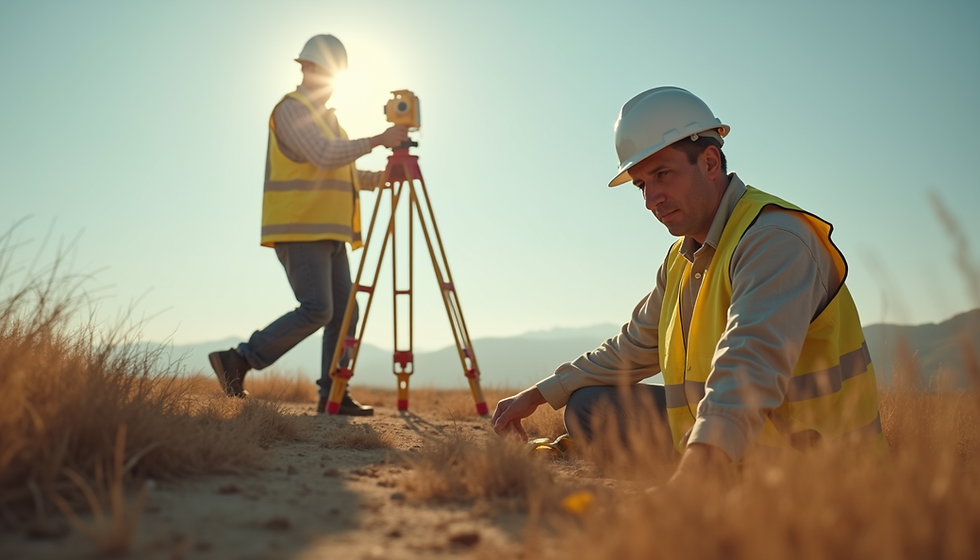
Fieldwork: They visit your property to take measurements and collect data.
Data analysis: Surveyors process the information to create maps and reports.
Report delivery: You receive a detailed survey document showing boundaries, features, and any issues.
Follow-up: The surveyor answers questions and may provide additional services like staking.
The whole process usually takes a few days to a couple of weeks, depending on the survey type and property size.
Why You Should Invest in a Land Survey for Building a House
Before you start construction, investing in a land survey for building a house is one of the smartest moves you can make. It protects your investment by:
Preventing costly mistakes
Ensuring legal compliance
Helping you design a home that fits your land perfectly
Avoiding disputes with neighbors or authorities
Providing documentation for lenders and insurers
Think of it as your project’s blueprint for success. It’s a small cost compared to the potential risks of building without one.
Taking the Next Step with Confidence
Now that you understand the essential land surveys for construction, you’re ready to take the next step. Reach out to a qualified surveyor who can guide you through the process and provide the precise information you need.
With the right surveys in hand, you’ll build your home on a solid foundation of knowledge and confidence. Your dream home deserves nothing less.
Start your journey today and make sure your land is ready for the future you envision.


I really enjoyed how clearly this article explains the importance of Land Surveying before starting a home construction project. The breakdown of boundary, topographic, and construction surveys makes the process much easier to understand and highlights how proper planning can prevent costly issues later.