

Understanding Topographic Surveys: What You Need to Know
When you’re planning a construction project, buying land, or even landscaping your property, understanding the lay of the land is crucial. That’s where topographic surveys come in. They provide a detailed map of the natural and man-made features of a piece of land, helping you make informed decisions. Let’s dive into what topographic surveys are, why they matter, and how they can help you.
Understanding Topographic Surveys
A topographic survey is a detailed study of the land’s surface. It shows the elevation, contours, and features like trees, buildings, roads, and water bodies. This survey helps you see the shape and slope of the land, which is essential for planning construction, drainage, or landscaping.
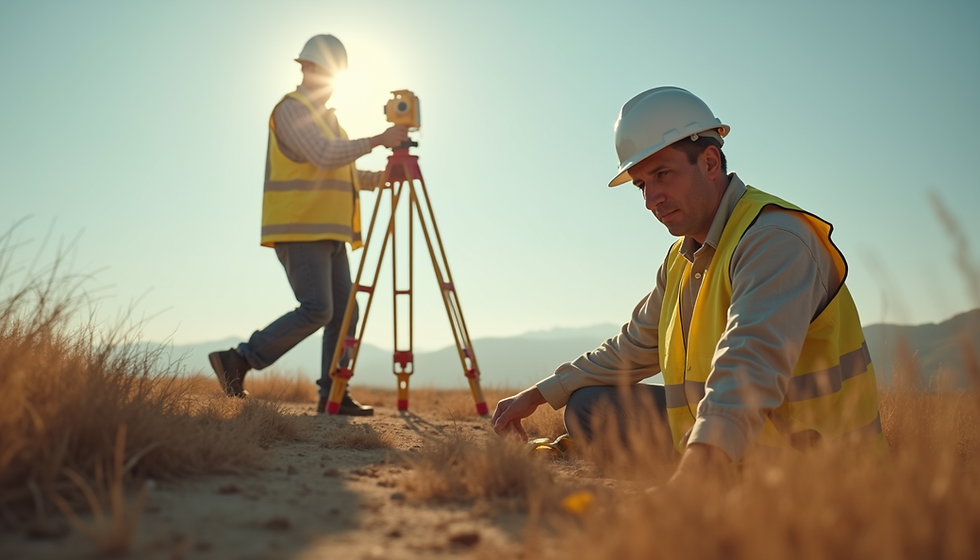
You might wonder, what is a topographic survey? It’s a precise measurement of the land’s features and elevations, usually done by professional surveyors using advanced tools like GPS, drones, or total stations. The result is a map or a 3D model that shows every bump, dip, and structure on the property.
For example, if you’re building a new home, a topographic survey will show you where the land slopes, where water might collect, and where you can place your foundation safely. It’s like having a detailed blueprint of the land before you start digging.
Why Topographic Surveys Matter for Your Property
Topographic surveys are more than just maps. They are tools that help you avoid costly mistakes and make smart choices. Here’s why they matter:
Accurate Planning: Knowing the land’s contours helps you design buildings, roads, and drainage systems that fit the terrain.
Prevent Flooding: By understanding slopes and water flow, you can prevent water damage and manage stormwater effectively.
Legal Clarity: Surveys can confirm property boundaries and avoid disputes with neighbors.
Cost Savings: Identifying challenges early can save you money on construction and landscaping.
Environmental Protection: You can protect natural features like trees and coulees by planning around them.
Imagine you want to add a driveway or a garden. Without a topographic survey, you might build on a slope that causes erosion or water pooling. With the survey, you get a clear picture and can plan accordingly.
What is the Difference Between a Survey and a Topographical Survey?
It’s easy to confuse a general land survey with a topographic survey, but they serve different purposes.
Land Survey: Focuses mainly on property boundaries. It tells you where your land starts and ends. This is important for legal reasons, like buying or selling property.
Topographic Survey: Goes beyond boundaries to show the shape and features of the land. It includes elevations, contours, and natural or man-made objects.
Think of a land survey as the outline of a puzzle piece, while a topographic survey shows the full picture inside that piece. If you’re planning construction or landscaping, the topographic survey gives you the detailed information you need to work with the land effectively.

How Topographic Surveys Are Conducted
Topographic surveys use a mix of technology and expertise. Here’s a simple breakdown of the process:
Preparation: Surveyors gather existing maps, plans, and information about the site.
Field work: Using tools like GPS receivers, total stations, or drones, surveyors measure the land’s features and elevations.
Data Processing: The collected data is processed using software to create accurate maps or 3D models.
Report and Map Delivery: You receive detailed maps showing contours, elevations, and features, often with recommendations.
For example, drones can quickly capture aerial images of large or hard-to-reach areas, while GPS and total stations provide precise ground measurements. This combination ensures accuracy and efficiency.
How You Can Use Topographic Surveys for Your Projects
Once you have a topographic survey, you can use it in many ways to make your project a success:
Design Your Home or Building: Use the survey to place your structure where the land is stable, and drainage is good.
Plan Landscaping: Create gardens, terraces, or water features that work with the natural slope.
Manage Water Flow: Design drainage systems to prevent flooding and erosion.
Get Permits: Many local authorities require topographic surveys for building permits.
Negotiate Property Deals: Use the survey to confirm land features and boundaries during real estate transactions.
For instance, if you’re a developer, a topographic survey helps you plan roads, utilities, and lots that fit the terrain, saving time and money during construction.
What to Look for When Hiring a Surveyor
Choosing the right surveyor is key to getting accurate and useful results. Here are some tips:
Experience: Look for surveyors with experience in topographic surveys, especially in your area.
Technology: Ask about the tools and methods they use. Modern equipment means better accuracy.
References: Check reviews or ask for references from past clients.
Clear Communication: Your surveyor should explain the process and results in simple terms.
Local Knowledge: A surveyor familiar with local regulations and terrain can provide better advice.
Remember, a good surveyor is your partner in making sure your project starts on the right foot.
Moving Forward with Confidence
Understanding the land beneath your feet is the first step to any successful project. A topographic survey gives you the detailed information you need to plan wisely, avoid surprises, and protect your investment. Whether you’re building, buying, or landscaping, this survey is your roadmap to success.
By investing in a topographic survey, you’re not just getting a map - you’re gaining peace of mind and a clear path forward. Take the time to get this essential information, and you’ll be ready to tackle your project with confidence.

With the right information and tools, you can turn your vision into reality. A topographic survey is the foundation that supports your plans and helps you build smartly on solid ground.


Comments