

Property Boundary Dispute Solutions: Resolving Property Line Disputes Effectively
Property boundary disputes can be stressful and confusing. When you own land or property, knowing exactly where your boundaries lie is crucial. But sometimes, disagreements arise with neighbors or developers about where one property ends and another begins. The good news is that you can handle these disputes effectively with the right approach. I’m here to guide you through practical steps and solutions that will help you protect your property rights and maintain good relationships.
Understanding Property Boundary Dispute Solutions
When a property boundary dispute happens, it’s important to act quickly and calmly. The first step is understanding the nature of the problem. Boundary disputes often occur because of unclear property lines, old or missing survey markers, or misunderstandings about property deeds.
Here are some common property boundary dispute solutions you can consider:
Review Your Property Documents: Start by looking at your deed, title, and any previous surveys. These documents often contain legal descriptions of your property lines.
Talk to Your Neighbor: Sometimes, a simple conversation can clear up confusion. Approach your neighbor with respect and share your concerns.
Hire a Professional Surveyor: A licensed surveyor can provide an accurate, up-to-date map of your property boundaries. This is often the most reliable way to settle disputes.
Legal Action: As a last resort, you may need to consult a real estate attorney and take legal steps to resolve the dispute.
By understanding these options, you can choose the best path forward for your situation.
How to Approach Property Boundary Disputes with Confidence
Facing a property boundary dispute can feel overwhelming, but you are in control. Here’s how to approach the situation confidently:
Seek Expert Help Early: Contact Triple R Surveying to get an accurate and professional assessment of your property lines.
Stay Calm and Professional: Avoid heated arguments. Keep your communication clear and respectful. You can let them know that you hired Triple R Surveying and when to expect a surveyor.
Gather Information: Collect all relevant documents, photos, and any previous surveys.
Document Everything: Take notes of conversations, dates, and any agreements or disagreements.
Know Your Rights: Familiarize yourself with local property laws and regulations. This knowledge will empower you during discussions or negotiations.
Remember, your goal is to find a fair and lasting solution. By staying organized and informed, you can navigate the dispute effectively.
What Evidence Is Needed for Property Disputes?
When resolving property boundary disputes, evidence is key. The stronger your evidence, the easier it is to prove your case or reach an agreement. Here’s what you should gather:
Property Deeds and Titles: These legal documents describe your property boundaries and ownership.
Previous Surveys: Any past surveys can show how boundaries were defined historically.
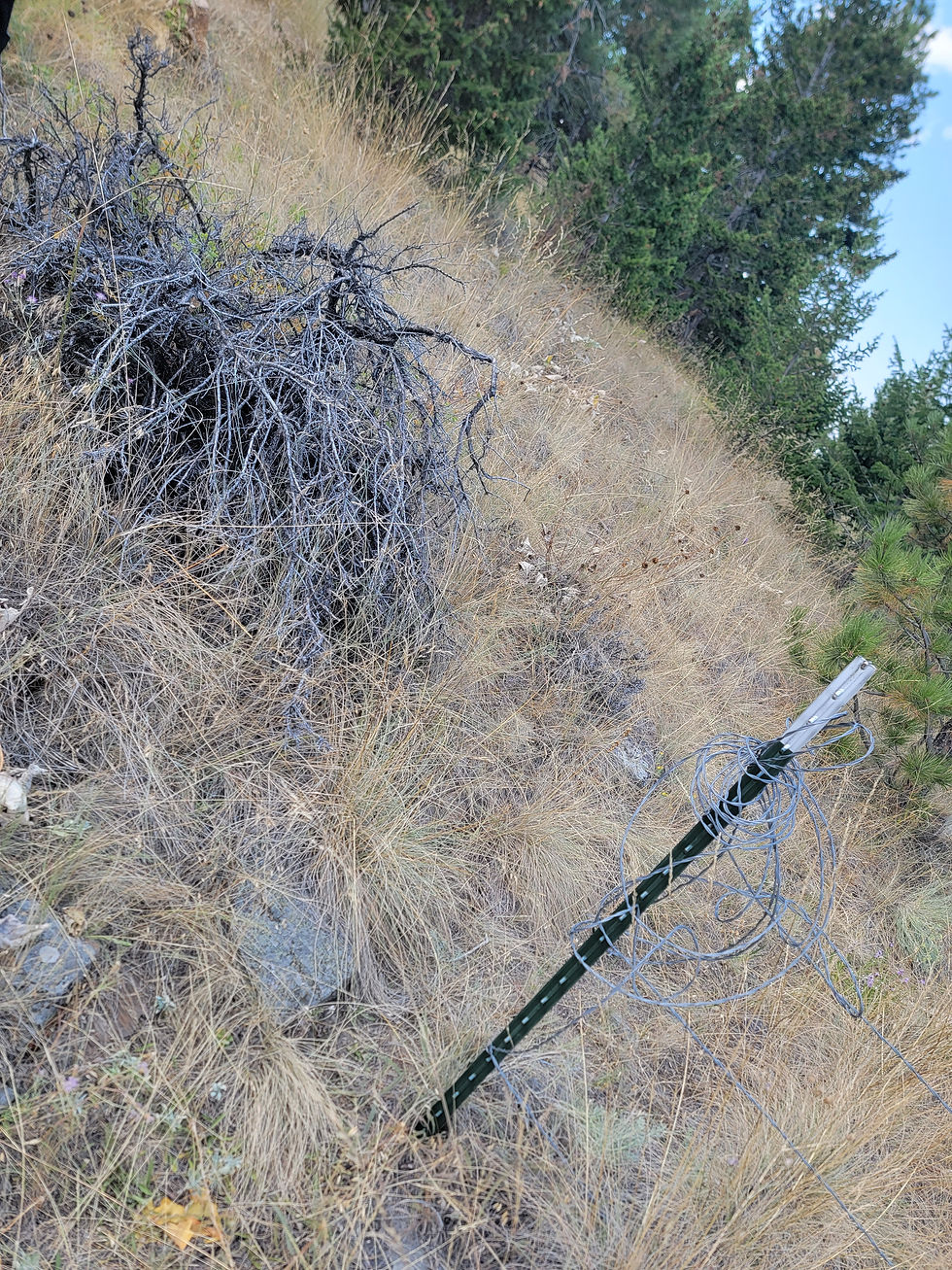
Physical Markers: Look for fences, stakes, walls, or other markers that indicate property lines.
Aerial or Satellite Images: These can provide a bird’s-eye view of the land and any visible boundary features. Remember, do not rely exclusively satellite images. Triple R Surveying can provide better answers than an image on your computer.
Witness Statements: Neighbors or previous owners who know the property history can provide helpful testimony.
Professional Survey Reports: A current survey by a licensed surveyor is often the most definitive evidence. Include an exhibit in your contract so you have the latest document.
Having this evidence ready will strengthen your position and help resolve disputes faster.

Practical Steps to Resolve Property Line Disputes
Now that you understand the evidence and options, here are practical steps you can take to resolve your property line dispute:
Review Your Documents Thoroughly: Make sure you understand your property’s legal description and exhibit provided by Triple R Surveying.
Communicate Openly with Your Neighbor: Share your findings and listen to their perspective.
Consider a retracement survey: If you and your neighbor cannot agree, even after a survey, a retracement survey can clear up any cloudy legal descriptions.
Put Agreements in Writing: Any resolution should be documented and signed by both parties. These documents should be filed with the county.
Consider a boundary line relocation: If no resolution can be found, or an agreement cannot be reached, Triple R Surveying can assist you with a new survey called a boundary line relocation.
By following these steps, you can protect your property and avoid costly legal battles.
Protecting Your Property and Peace of Mind
Resolving property boundary disputes is about more than just lines on a map. It’s about protecting your investment, your home, and your peace of mind. Taking proactive steps can prevent disputes from escalating and help maintain good neighborly relations.
Here are some tips to protect your property in the future:
Regularly Update Your Survey: Land can shift, and markers can disappear. Keep your survey current.
Maintain Clear Boundaries: Use fences, hedges, or markers to clearly define your property.
Keep Good Records: Store all property documents and surveys in a safe place.
Communicate with Neighbors: Stay friendly and open to discussions about property lines.
Work with Trusted Professionals: When in doubt, rely on Triple R Surveying.
By staying vigilant and informed, you can avoid disputes and enjoy your property with confidence.
Resolving property boundary disputes doesn’t have to be a headache. With the right knowledge and approach, you can handle any disagreement effectively. Remember, you are the hero in protecting your property rights. Take control, gather your evidence, communicate clearly, and hire Triple R Surveying when needed. Your property deserves nothing less.


Comments