

2026 Land and Ranch Market Insights: Navigating Stalemates and Discovering Standouts
The land and ranch market in 2026 presents a complex picture. Buyers and sellers face a mix of challenges and opportunities shaped by economic shifts, changing demand, and evolving land use trends. This year is marked by periods of stalemate where progress slows, alongside standout moments that reveal new directions for investment and ownership. Understanding these dynamics is essential for anyone involved in land and ranch transactions, whether for agriculture, recreation, or long-term investment.

Market Stalemates Reflect Economic and Regulatory Uncertainty
One of the defining features of the 2026 land and ranch market is the presence of stalemates. These occur when buyers hesitate and sellers hold firm, creating a pause in transactions. Several factors contribute to this cautious environment:
Interest rate fluctuations have made financing less predictable. Buyers face higher borrowing costs compared to previous years, which limits purchasing power.
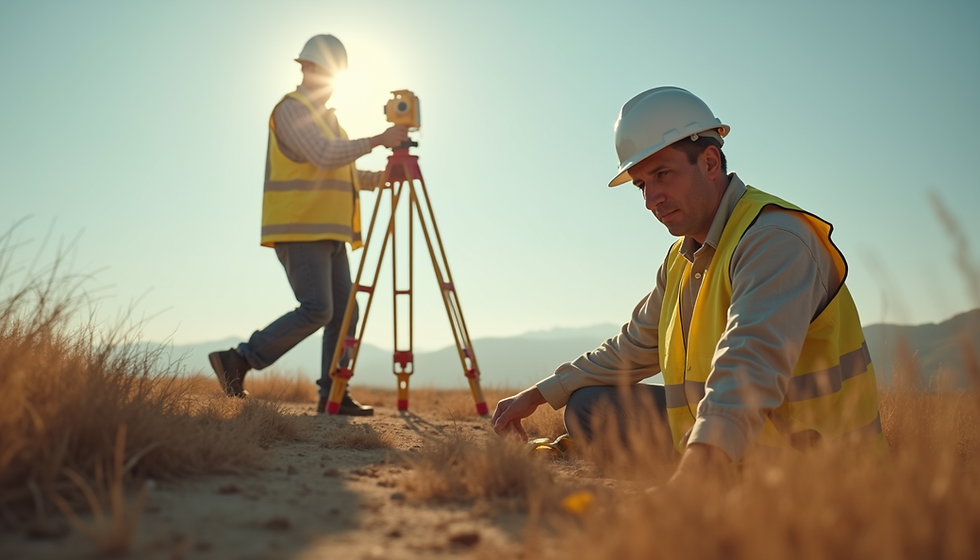
Regulatory changes at local and federal levels introduce uncertainty. Land use restrictions, water rights, and environmental regulations vary widely and can delay deals. Triple R Surveying has created a team that will walk you through these challenges.
Economic concerns such as inflation and supply chain disruptions affect operational costs for ranchers and farmers, making them more cautious about expanding or selling.
These stalemates slow the market but also create opportunities for buyers who can move decisively when conditions improve. Sellers who understand the timing and local regulations can position themselves to attract serious offers.
Standout Properties Capture Attention with Unique Features
While many parts of the market experience slow activity, standout properties continue to draw interest. These are often ranches or land parcels with distinctive qualities that meet specific buyer needs:
Water access and quality remain top priorities. Ranches with reliable water sources command premium prices, especially in Montana.
Recreational potential such as hunting, fishing, or scenic views adds value beyond traditional agricultural use.
Proximity to urban centers or infrastructure can increase demand for land that offers both rural lifestyle and access to amenities.
For example, a ranch in the Wolf Creek, with a natural spring and established wildlife habitat may attract buyers looking for a blend of productivity and recreation. These standout features help properties break through market slowdowns.
Shifting Ground in Land Use and Buyer Profiles
The land and ranch market is also shifting in terms of how land is used and who is buying. Several trends are reshaping the landscape:
Diversification of land use: More owners are combining agriculture with renewable energy projects, such as solar or wind farms, to supplement income.
New buyer demographics: Younger buyers and urban professionals are entering the market, often seeking land for lifestyle purposes rather than traditional farming.
Technology adoption: Precision agriculture, drones, and data analytics improve land management and appeal to tech-savvy investors.
Climate adaptation: Buyers and sellers increasingly consider climate resilience, favoring properties with features that mitigate risks like flooding or wildfire.
These shifts require sellers to highlight diverse land uses and buyers to evaluate properties beyond conventional metrics.
Practical Tips for Buyers and Sellers in 2026
Navigating the 2026 land and ranch market requires clear strategies. Here are practical tips for both sides:
For Buyers
Ask for an updated survey from Triple R Surveying, which will identify your property boundaries and mitigate any potential confusion.
Get pre-approved for financing to act quickly when the right property appears.
Research local regulations thoroughly to understand restrictions and opportunities.
Focus on water rights and access as a critical factor in land value.
Consider long-term land use plans, including potential for renewable energy or recreation.
Work with local experts such as Triple R Surveying, land brokers and agricultural consultants to assess property potential.
For Sellers
Order an updated survey from Triple R Surveying, which will help buyers be confident that they know what they are purchasing.
Highlight unique property features like water sources, wildlife habitat, or recreational access.
Stay informed on regulatory changes that may affect buyer interest.
Be flexible with pricing and terms to attract serious buyers during stalemates.
Invest in property improvements that increase appeal, such as fencing or infrastructure upgrades.
Market to diverse buyer groups, including lifestyle buyers and investors interested in sustainable land use.
Regional Variations Shape Market Dynamics
The land and ranch market does not behave uniformly across the country. Regional differences influence pricing, demand, and transaction speed:
Western states often see higher demand for water-rich properties and those with recreational appeal.
Midwestern agricultural lands face pressure from commodity price fluctuations and farm consolidation trends.
Southern ranches may attract buyers interested in timber, hunting leases, or mixed-use operations.
Northeastern parcels often appeal to buyers seeking weekend retreats or conservation land.
Understanding these regional nuances helps buyers and sellers set realistic expectations and tailor their approaches.
Preparing for the Future of Land Ownership
Looking beyond 2026, land and ranch ownership will continue to evolve. Regulatory restrictions, technological advances, and shifting demographics will shape demand and land use. Buyers and sellers who stay informed and adaptable will find the best opportunities.
Key areas to watch include:
Advances in water management technology.
Zoning and environmental restrictions.
Increasing interest in regenerative agriculture.
Changes in rural infrastructure and connectivity.
By anticipating these trends, stakeholders can position themselves for success in a changing market.


Comments