

Land Surveying Essentials for Home Construction
When you’re planning to build your dream home, there’s a lot to consider. One of the most important steps is understanding the land you’re building on. That’s where land surveying comes in. It’s the foundation for a smooth construction process and helps you avoid costly mistakes. Let’s dive into the essentials of land surveying for construction and how it can make your home-building journey easier and more successful.
Why You Need a Land Survey for Construction
Before you break ground, you need to know exactly what you’re working with. A land survey for construction gives you a clear picture of your property’s boundaries, topography, and any potential obstacles. This information is crucial for:
Confirming property lines: Avoid disputes with neighbors by knowing exactly where your land begins and ends.
Planning your build: Understand the shape and slope of your land to design a home that fits perfectly.
Meeting legal requirements: Many local governments require a survey before issuing building permits.
Identifying easements and restrictions: Know if there are any rights others have on your land, like utility access.
Getting a professional survey done early saves you headaches down the road. It’s your first step toward a successful build.
What to Expect from a Land Survey for Construction
When you hire a surveyor, they’ll come prepared with specialized tools to measure your property accurately. Here’s what typically happens:
Research: The surveyor reviews existing records, maps, and previous surveys.
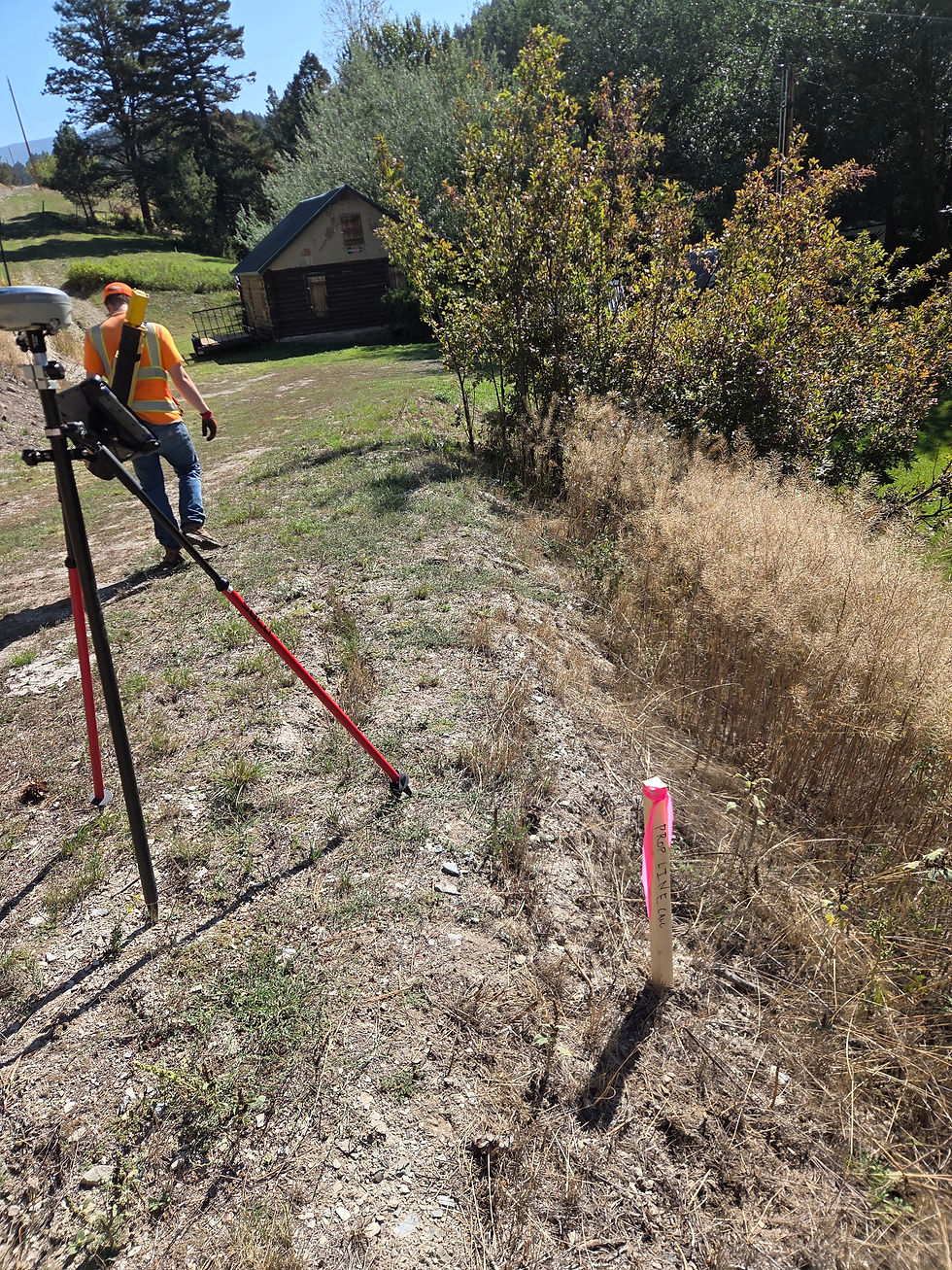
Fieldwork: They visit your property to take precise measurements using GPS, total stations, or drones.
Marking boundaries: Surveyors place stakes or flags to mark corners and important points.
Creating a survey map: You’ll receive a detailed map showing boundaries, elevations, and any features like trees or buildings.
Report and recommendations: The surveyor explains the findings and notes any issues you should be aware of.
This process usually takes a few days to a week, depending on your property size and complexity. The result is a clear, reliable map that guides your construction team.
What are Red Flags on a Survey?
Not all surveys are smooth sailing. Sometimes, you’ll find red flags that need your attention before building begins. Here are some common issues to watch for:
Boundary disputes: Overlapping claims with neighbors can delay your project.
Encroachments: Structures or fences that cross property lines may need to be moved.
Easements: Utility companies or others may have rights to use part of your land.
Zoning restrictions: Local rules might limit how or where you can build.
Environmental concerns: Wetlands, flood zones, or protected areas can affect your plans.
If your survey reveals any of these, don’t panic. Addressing them early with your surveyor, builder, or local officials can help you find solutions and keep your project on track.

How to Choose the Right Surveyor for Your Project
Picking the right professional is key to getting accurate and useful survey results. Here’s what to look for:
Experience: Choose a surveyor familiar with residential construction and local regulations.
Technology: Modern tools like GPS and drones improve accuracy and speed.
Reputation: Look for positive reviews and recommendations from other homeowners or real estate pros.
Communication: Your surveyor should explain findings clearly and be available to answer questions.
Licensing and insurance: Verify they are licensed in your state and carry proper insurance.
Taking the time to find a trusted surveyor means you’ll get reliable data that supports your home-building goals.
How a Land Survey Helps You Build Smarter
With your survey in hand, you’re ready to make informed decisions. Here’s how it benefits your construction process:
Site planning: Position your home to maximize views, sunlight, and privacy.
Foundation design: Account for slopes and soil conditions to avoid costly fixes.
Utility placement: Plan for water, sewer, and electrical lines without surprises.
Compliance: Ensure your build meets setback and zoning rules to avoid fines.
Resale value: A properly surveyed property is more attractive to future buyers.
Remember, a land survey for building a house is an investment that pays off by protecting your property rights and making your construction smoother.
Moving Forward with Confidence
Building a home is a big adventure, but you don’t have to navigate it blindly. Land surveying gives you the clear, accurate information you need to make smart choices. By understanding your property’s boundaries, features, and potential challenges, you set yourself up for success.
Take the time to get a professional survey early. It’s a step that protects your investment and helps you build the home you’ve always wanted. With the right survey in hand, you’re ready to move forward confidently and turn your vision into reality.

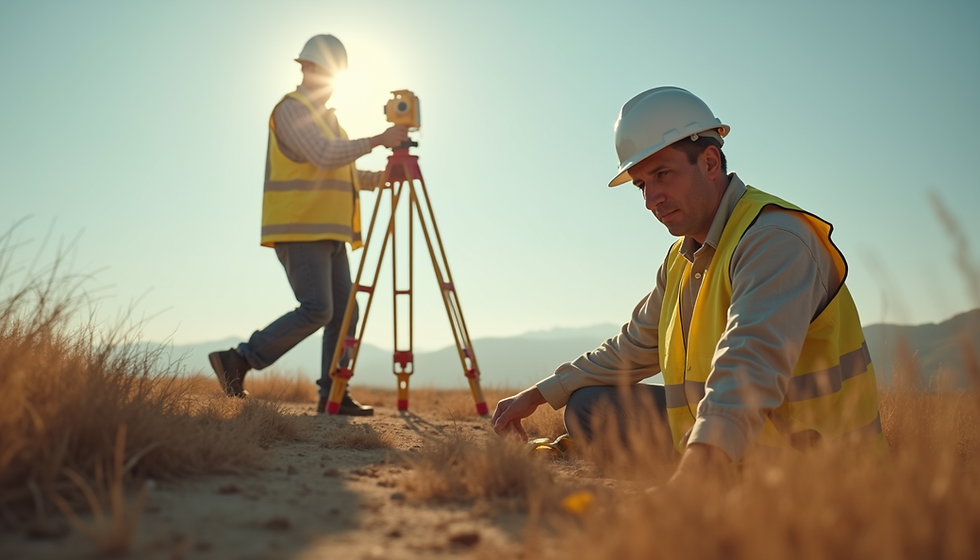

Every property has unique characteristics that can influence construction plans, costs, and timelines. Many homeowners focus on the building itself, but accurate measurements and site information are just as important before work begins. Research, field checks, and understanding property conditions can all take more effort than people expect. The explanation of these early steps helps make the process easier to understand. It also provides useful information for anyone considering https://www.abbotsfordsurveyorservices.ca before starting a home construction project. Don't assume every building site will have the same requirements because each property is different.