

Effective Solutions for Resolving Boundary Disputes
Property line disputes can be stressful and confusing. When you own land, knowing exactly where your property begins and ends is crucial. But sometimes, boundaries are unclear or contested, leading to disagreements with neighbors or other parties. The good news is that you can take practical steps to resolve these issues effectively. This guide will walk you through the best ways to handle property line conflicts with confidence and clarity.
Understanding the Importance of Resolving Boundary Disputes
When property lines are in question, it’s not just about the land itself. These disputes can affect your peace of mind, property value, and even your relationships with neighbors. Resolving boundary disputes quickly and fairly helps you protect your investment and avoid costly legal battles.
Here’s why you should act promptly:
Prevent escalation: Small misunderstandings can turn into major conflicts.
Protect your property rights: Clear boundaries ensure you know what you own.
Maintain good neighbor relations: Resolving disputes amicably keeps the peace.
Avoid legal costs: Early resolution can save you money and time.
Taking control of the situation means you’re the hero in protecting your property and your future.

Practical Steps for Resolving Boundary Disputes
Resolving boundary disputes involves a mix of communication, documentation, and sometimes professional help. Here’s a straightforward approach you can follow:
Review Your Property Documents
Start by gathering your deed, property survey, and any other legal documents related to your land. These papers often contain descriptions and maps that define your property lines.
Talk to Your Neighbor
Approach your neighbor calmly and discuss the issue. Sometimes, disputes arise from misunderstandings or outdated information. A friendly conversation can clear things up.
Hire Triple R Surveying, Inc
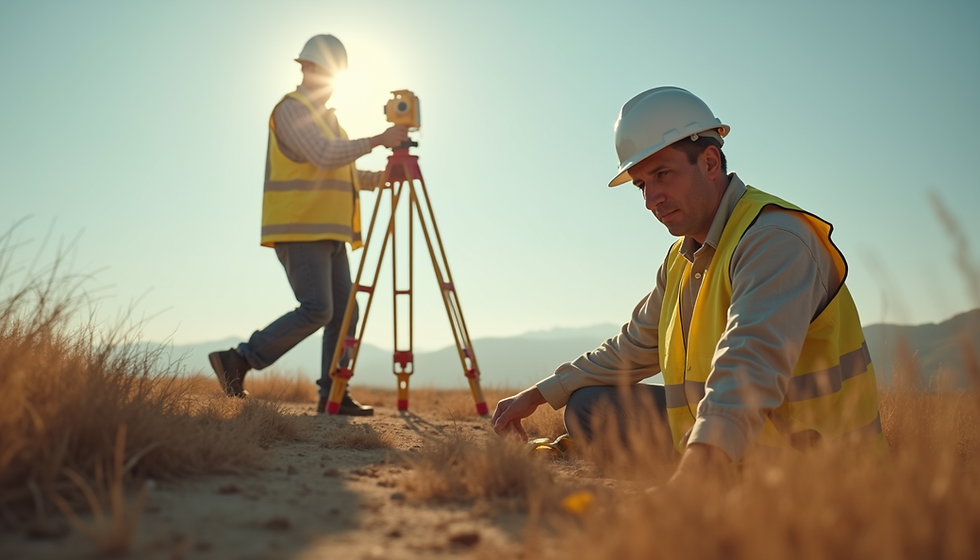
If the boundary remains unclear, our licensed surveyor can provide an accurate, up-to-date survey. This survey will establish the exact property lines based on legal descriptions and physical markers.
Consider Mediation
If talking doesn’t work, mediation offers a neutral third party to help you and your neighbor reach an agreement without going to court.
Legal Action as a Last Resort
When all else fails, you may need to consult an attorney and consider legal proceedings. This step is often costly and time-consuming, so it’s best to exhaust other options first.
By following these steps, you take control of the situation and work toward a fair resolution.
What Evidence Is Needed for Property Disputes?
When you’re dealing with a property line dispute, having the right evidence is key to proving your case. Here’s what you should gather:
Property Deeds
These documents describe your land’s boundaries and are the foundation of your claim.
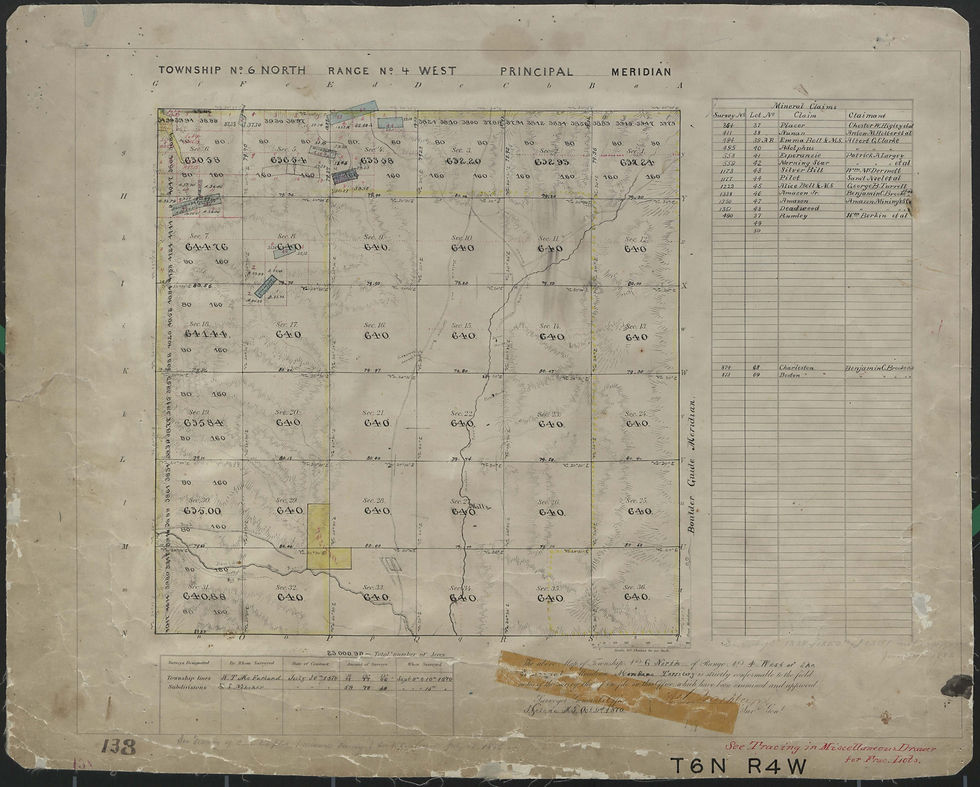
Previous Surveys
Past surveys can show how boundaries were established and if any changes have occurred.
Physical Markers
Fences, stakes, walls, or natural landmarks like trees or rivers can serve as boundary indicators.
Tax Records
These sometimes include property descriptions and can support your claim.
Photographs
Pictures of the disputed area, including markers and any encroachments, provide visual proof.
Witness Statements
Neighbors or previous owners who can attest to the boundary lines may be helpful.
Having this evidence ready strengthens your position and helps professionals or courts make informed decisions.
How Technology Can Help in Boundary Disputes
Modern technology has made resolving property line disputes easier and more precise. Here are some tools that can assist you:
GPS Mapping
These systems provide accurate location data and detailed maps of your property.
Drones
Aerial views from drones can capture the entire property and highlight boundary issues.
Digital Surveys
Surveyors use advanced equipment to create precise digital maps that can be shared and stored easily.
Online Property Records
Many counties offer digital access to deeds and surveys, making it easier to gather information.
Using technology not only speeds up the process but also reduces errors and misunderstandings.
Tips for Maintaining Clear Property Boundaries
Once you’ve resolved a boundary dispute, it’s smart to take steps to prevent future problems. Here are some tips:
Keep Your Survey Updated
Property lines can shift or become unclear over time. Regular surveys help keep your records current.
Mark Boundaries Clearly
Use fences, stakes, or landscaping to define your property visibly.
Communicate with Neighbors
Maintain open lines of communication about any changes or concerns.
Document Changes
If you make improvements near boundaries, keep records and inform neighbors.
Consult Professionals When Needed
Don’t hesitate to get expert advice if you suspect boundary issues by calling Triple R Surveying, Inc at 406-227-8844.
By staying proactive, you protect your property and avoid future disputes.
Taking Charge of Your Property Rights
Dealing with property line disputes can feel overwhelming, but you have the power to resolve them effectively. By gathering the right evidence, communicating openly, and using professional resources, you can protect your land and your peace of mind. If you want to learn more about how to resolve property line disputes, there are plenty of resources available to guide you step-by-step.
Remember, clear boundaries mean clear ownership. Take action today to secure your property’s future.


Comments